

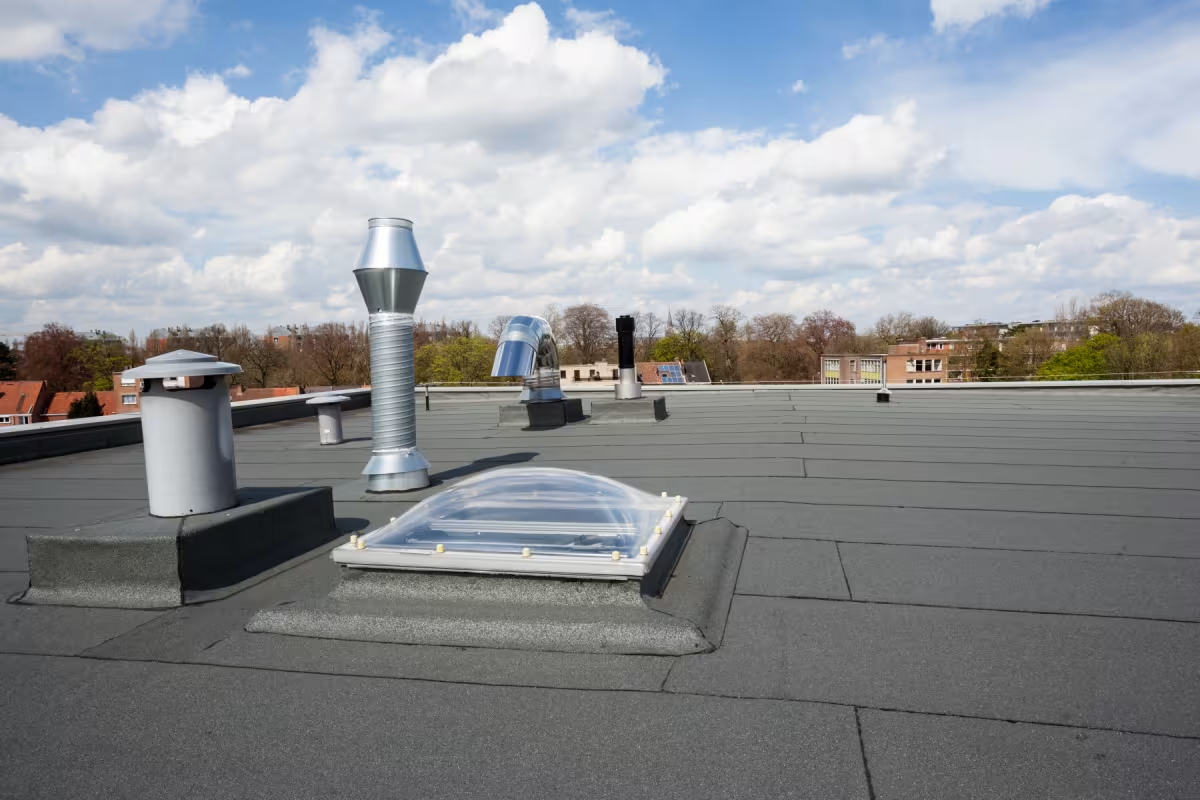
A commercial roof replacement is one of the larger capital expenses a property owner or facility manager may face. Unlike routine repairs, replacement involves more than installing new roofing material. The total project can include removing the existing system, replacing damaged insulation or decking, improving drainage, addressing rooftop equipment, and bringing parts of the roof assembly up to current requirements. Because every commercial building is different, there is no single commercial roof replacement cost that applies to every project. Roof size, material, existing conditions, access, labor, and project complexity can all influence the final price.
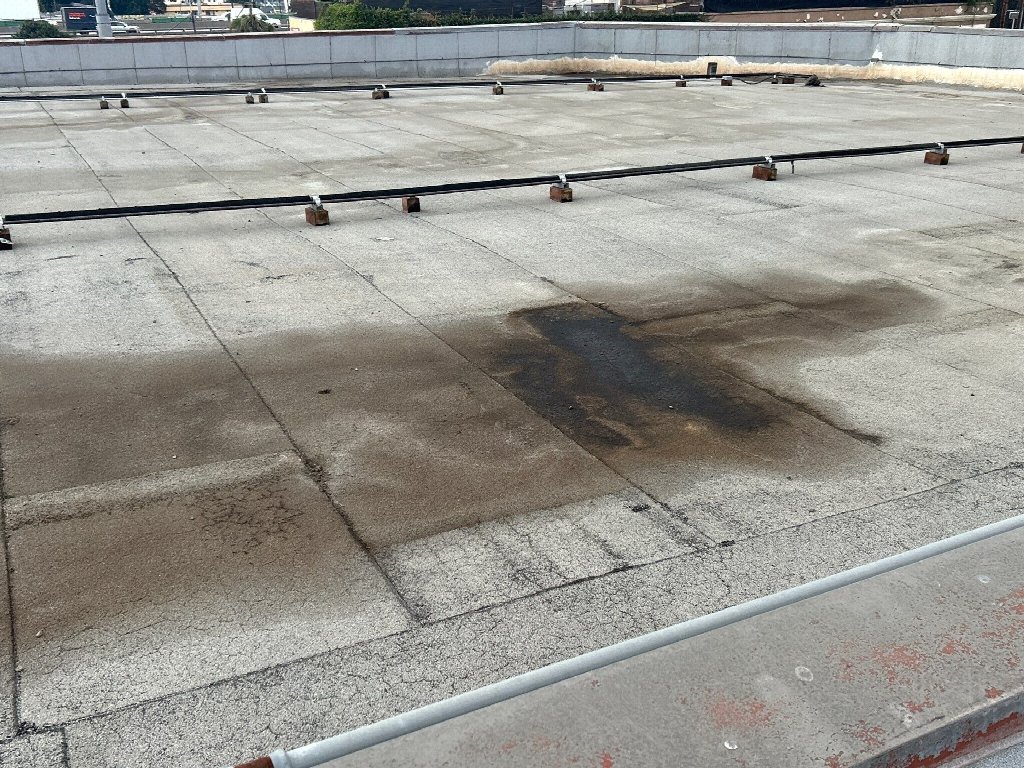
Planning ahead can make the expense easier to manage and reduce the likelihood of unexpected costs. Here are the major factors to consider when building a realistic commercial roofing budget.
Start With a Professional Roof Assessment
Before establishing a budget, determine the actual condition of the existing roof.
A professional commercial roof inspection can help identify:
-
Active or previous leaks
-
Damaged roofing membranes
-
Wet or deteriorated insulation
-
Cracks, blisters, or open seams
-
Ponding water
-
Drainage problems
-
Deteriorated flashing
-
Damage around rooftop equipment
-
Roof deck concerns
-
Areas that have undergone repeated repairs
The inspection should also help determine whether the building truly requires a complete commercial roof replacement.
In some cases, targeted repairs or a roof restoration system may extend the life of an otherwise serviceable roof. In others, widespread deterioration may make replacement a more practical long-term investment.
Understanding the condition of the roof before requesting proposals makes it easier to budget for the appropriate scope rather than planning around an incomplete estimate.
Determine the Size and Complexity of the Roof
Roof size is one of the most significant factors affecting commercial roof cost because roofing materials and much of the installation labor are calculated based on the amount of roof area involved. However, square footage alone does not determine the cost. Two commercial roofs of the same size can require very different budgets depending on their design.
Complexity may increase when a roof has:
-
Numerous HVAC units
-
Skylights
-
Vents and exhaust systems
-
Pipes and other penetrations
-
Multiple roof elevations
-
Parapet walls
-
Difficult drainage conditions
-
Limited equipment access
-
Unusual building configurations
Every penetration and transition requires proper waterproofing and flashing. Larger quantities of rooftop equipment can therefore increase material requirements and labor hours even if the total roof area remains unchanged. When comparing estimates, make sure contractors are evaluating the complete roof layout instead of considering square footage alone.
Choose the Right Commercial Roofing System
The roofing system you select will have a major impact on both the initial project cost and the long-term cost of owning the roof. Commercial buildings can use several types of roofing systems depending on roof slope, climate, building use, and existing construction.
Common options may include:
Single-Ply Roofing
TPO, PVC, and other single-ply membranes are commonly used on low-slope commercial buildings. They can provide dependable waterproofing and are available in reflective options that may help reduce rooftop heat absorption.
Modified Bitumen Roofing
Modified bitumen is commonly used for low-slope commercial roofs and can provide durability in areas that experience regular maintenance traffic or rooftop activity.
Roof Coating and Restoration Systems
Certain existing roofs may qualify for silicone or other coating systems rather than complete tear-off and replacement. When appropriate, restoration can sometimes reduce material and disposal requirements. However, coatings are not suitable for every roof, particularly when there is widespread moisture, significant structural deterioration, or extensive damage beneath the existing surface.
Metal Roofing
Metal roofing may be appropriate for warehouses, industrial facilities, commercial buildings, and other properties with suitable roof designs. While the initial investment can be higher than some alternatives, long service life can make lifecycle cost an important consideration. The lowest-priced roofing system is not automatically the best value. Consider durability, maintenance requirements, warranty coverage, energy performance, and expected service life when calculating your long-term budget.
Account for Tear-Off and Disposal
One major factor in commercial roof replacement cost is what must happen to the existing roof.
Some projects may allow a new roofing system to be installed over an existing system when conditions and applicable requirements allow it. Other projects require complete removal.
A tear-off can add expenses for:
-
Labor
-
Equipment
-
Dumpsters
-
Transportation
-
Disposal fees
-
Site protection
-
Additional project time
Removing the existing roof also exposes the underlying assembly, which can reveal damage that was not visible during the initial inspection.
Property owners should therefore ask whether the estimate assumes a complete tear-off, partial removal, or roof-over application.
This distinction can explain significant price differences between contractor proposals.
Create a Contingency for Hidden Roof Damage
Even a detailed inspection cannot always reveal every issue beneath an existing roofing system.
Once roofing materials are removed, contractors may uncover:
-
Saturated insulation
-
Deteriorated decking
-
Corrosion
-
Water-damaged wood
-
Mold or moisture-related deterioration
-
Damaged structural components
-
Previous repairs that were improperly completed
These discoveries can increase the overall commercial roof cost.
Instead of budgeting only for the quoted contract amount, establish a contingency fund for unexpected conditions.
Ask your contractor how unforeseen work will be handled. A clear proposal should explain unit pricing or change-order procedures for common items such as insulation or decking replacement.
This helps prevent financial surprises after construction has already started.
Consider Insulation Upgrades
A roof replacement provides an opportunity to evaluate the building’s insulation.
If existing insulation is wet, deteriorated, or insufficient, additional work may be necessary. Although upgrading insulation adds to the initial project budget, it can also improve the thermal performance of the building.
Depending on the property, improved insulation may help:
-
Reduce heat transfer
-
Support more stable indoor temperatures
-
Reduce HVAC demand
-
Improve energy efficiency
-
Meet applicable project requirements
When reviewing roofing proposals, make sure insulation specifications are clearly stated. One contractor may include insulation upgrades while another proposal may cover only the roofing membrane, making a simple price comparison misleading.
Include Drainage Improvements in the Budget
Water management is especially important on low-slope commercial roofs. If the existing system experiences ponding water or drains slowly, replacing the roofing membrane without addressing the underlying drainage problem may allow the same issue to continue.
A roof replacement project may need to include improvements to:
-
Roof drains
-
Scuppers
-
Gutters
-
Downspouts
-
Tapered insulation
-
Crickets around rooftop equipment
-
Low areas in the roof
Improving drainage can increase the upfront project cost, but it may also reduce the risk of premature roofing deterioration.
A qualified roofing contractor should evaluate drainage as part of the overall roof replacement plan.
Plan for Rooftop Equipment and Penetrations
Commercial roofs often support equipment that residential roofs do not. HVAC systems, exhaust fans, vents, electrical equipment, solar arrays, antennas, and communication equipment can complicate roofing work.
Depending on the project, contractors may need to:
-
Temporarily disconnect or move equipment
-
Raise equipment curbs
-
Install new flashing
-
Coordinate with HVAC or electrical contractors
-
Remove and reinstall solar equipment
-
Build walkways around service areas
These costs may not always be included in the base roofing proposal.
Before approving a project, determine which contractor is responsible for coordinating rooftop equipment and whether those costs are included in the estimate.
Budget for Building Access and Safety Requirements
The location and configuration of the building can also influence the final commercial roof replacement cost. Roofing crews need safe and efficient access for workers, materials, equipment, and debris.
Additional costs may arise when a project requires:
-
Cranes
-
Material lifts
-
Extensive scaffolding
-
Traffic control
-
Restricted work areas
-
Safety barriers
-
Night or weekend work
-
Special loading or staging arrangements
A warehouse with an open loading area may be easier to access than a multistory commercial property surrounded by traffic, tenants, and limited parking.
Site logistics should be discussed before construction begins so they can be included in the budget.
Consider the Cost of Business Disruption
Commercial roof replacement does not happen in isolation. The project takes place while tenants, employees, customers, or building operations may still be active. Although experienced commercial roofers can often minimize disruption, property managers may need to plan for:
-
Temporary access restrictions
-
Noise
-
Parking changes
-
Equipment shutdowns
-
Interior protection
-
Tenant communication
-
Changes to operating schedules
For certain businesses, completing work in phases or outside normal operating hours may be worth the additional labor cost.
When calculating the true cost of a project, consider operational impact as well as construction expenses.
Compare Several Detailed Roofing Proposals
Obtaining multiple proposals is useful, but selecting a contractor based entirely on the lowest number can create problems. Instead, compare the scope of work line by line.
Each proposal should clearly identify:
-
Roofing system and manufacturer
-
Material specifications
-
Roof area
-
Tear-off requirements
-
Insulation
-
Decking allowances
-
Flashing
-
Drainage improvements
-
Rooftop equipment work
-
Disposal
-
Safety requirements
-
Warranty coverage
-
Estimated project scope
-
Exclusions
If one proposal is dramatically lower than the others, determine why.
The contractor may be using a different roofing system, excluding insulation replacement, assuming no deck repairs, or providing a different warranty.
Comparing equivalent scopes gives you a much more accurate understanding of the expected commercial roof cost.
Think in Terms of Lifecycle Cost
A commercial roof should be evaluated as a long-term building asset rather than a one-time expense.
Instead of asking only, “How much will this roof cost today?” consider what the system is likely to require over its useful life.
Lifecycle considerations include:
-
Installation cost
-
Expected service life
-
Maintenance
-
Repairs
-
Energy performance
-
Warranty coverage
-
Restoration opportunities
-
Future replacement requirements
A roofing system with a lower initial cost may require more frequent repairs or earlier replacement. A higher-quality system may cost more upfront but provide better long-term value.
The right choice depends on your building, budget, and how long you intend to own or operate the property.
Start a Roof Reserve Before Replacement Becomes Urgent
The easiest time to budget for a commercial roof replacement is before the existing roof fails.
Property managers should track:
-
Roof age
-
Inspection results
-
Repair frequency
-
Annual maintenance expenses
-
Leak history
-
Expected service life
If inspections indicate that the roof is approaching the end of its useful life, begin establishing a capital reserve rather than waiting until widespread leaks force an emergency project.
Planned replacement also gives owners more time to obtain proposals, compare systems, schedule construction, and coordinate around business operations.
Emergency replacement typically provides fewer opportunities for careful financial planning.
Ask About Financing and Phased Work
If the full commercial roof replacement cost cannot comfortably fit within the current capital budget, ask contractors about available financing options or whether the project can safely be completed in phases. Depending on the building and roof condition, phased work may allow different sections of the roof to be replaced over multiple budget periods. However, phasing should only be considered when technically appropriate. Delaying replacement on severely deteriorated sections could lead to additional water damage and higher repair costs.
A roof assessment can help determine whether phased replacement is practical.
Build a Budget That Accounts for the Entire Project
A realistic commercial roofing budget should cover more than the visible roofing material.
When planning your project, account for:
-
Roof inspection and assessment
-
Roofing system materials
-
Labor
-
Existing roof removal
-
Disposal
-
Insulation
-
Deck repairs
-
Drainage improvements
-
Flashing and penetrations
-
Rooftop equipment coordination
-
Access and safety
-
Permits or applicable project requirements
-
Warranty options
-
Contingency funds
-
Future maintenance
Taking these factors into account gives property owners a much clearer understanding of the total investment required.
Plan Commercial Roof Replacement Before It Becomes an Emergency
Budgeting for a commercial roof replacement is ultimately about reducing uncertainty.
The final cost depends on roof size, system selection, existing conditions, insulation, drainage, access, rooftop equipment, and many other building-specific factors. That is why relying on a simple price-per-square-foot estimate rarely tells the whole story.
Begin with a thorough roof assessment, compare detailed proposals, establish a contingency for hidden conditions, and evaluate both initial and lifecycle costs. With careful planning, property owners can turn a major roofing expense into a predictable capital investment—one that protects the building, supports ongoing operations, and reduces the risk of costly emergency repairs in the years ahead.
How to Budget for a Commercial Roof Replacement
A commercial roof replacement is a major investment for any property owner, building manager, or business operator. Whether you own an office building, warehouse, retail space, industrial facility, or multi-unit property, your roof plays a key role in protecting your structure, equipment, employees, tenants, and daily operations.
Because commercial roofing projects can vary widely in cost, it is important to understand what affects the price and how to plan your budget properly. A well-prepared budget helps you avoid surprises, compare estimates more confidently, and make better decisions for the long-term performance of your building.
Why Budgeting Matters for Commercial Roof Replacement
Unlike minor repairs or routine maintenance, a commercial roof replacement requires careful planning. The cost can depend on the roof size, existing damage, roofing material, labor, access, insulation, drainage needs, and local building requirements.
Without a clear budget, property owners may choose the cheapest option without understanding the long-term impact. While a lower estimate may seem attractive at first, poor installation or low-quality materials can lead to leaks, energy loss, and costly repairs later.
Budgeting helps you look beyond the upfront price. It allows you to consider durability, energy efficiency, maintenance needs, warranty coverage, and the expected lifespan of your commercial roofing system.
Start With a Professional Roof Inspection
Before setting a budget, schedule a professional Roof inspection. A commercial roofer can assess the current condition of your roof and identify whether you need a full replacement, partial replacement, roof coating, or targeted repairs.
During the inspection, the roofer may check for:
-
Water damage or trapped moisture
-
Cracks, punctures, or open seams
-
Damaged flashing
-
Poor drainage or ponding water
-
Worn roofing materials
-
Structural concerns
-
Insulation issues
This step is important because hidden damage can increase the total cost of the project. If moisture has spread under the existing roof system, additional work may be needed before the new roof can be installed.
Understand the Main Cost Factors
Several factors influence the cost of a commercial roof replacement. Knowing these can help you create a more realistic budget.
Roof Size and Layout
The larger the roof, the more materials and labor are needed. A simple flat roof may cost less to replace than a roof with multiple sections, penetrations, HVAC units, skylights, drains, or complex access points.
Type of Commercial Roofing System
Different commercial roofing systems come with different price points. Common options include TPO, PVC, EPDM, modified bitumen, built-up roofing, metal roofing, and roof coatings. Each option has its own benefits, lifespan, and maintenance requirements.
For example, some single-ply roofing systems may be cost-effective and energy-efficient, while metal roofing may have a higher upfront cost but offer long-term durability.
Existing Roof Condition
If the existing roof needs to be removed, disposal costs should be included in the budget. If the roof deck is damaged, repairs may also be required before the new system is installed.
Insulation and Energy Efficiency
Insulation can affect both the project cost and your building’s long-term energy performance. Upgrading insulation during a commercial roof replacement may increase the upfront cost, but it can help reduce heating and cooling expenses over time.
Labor and Accessibility
Commercial roofing labor costs can vary depending on project complexity. Buildings with limited access, multiple roof levels, or equipment on the roof may require more time, safety planning, and specialized labor.
Include More Than Just Installation Costs
When budgeting for a commercial roof replacement, do not focus only on the installation estimate. A complete budget should also include related expenses such as:
-
Roof inspection and assessment
-
Tear-off and disposal
-
Deck repair or replacement
-
Insulation upgrades
-
Drainage improvements
-
Permits and code requirements
-
Warranty options
-
Temporary protection during installation
-
Possible business interruption planning
-
Future maintenance
Including these items helps you avoid underestimating the full cost of the project.
Compare Estimates Carefully
It is a good idea to get estimates from qualified commercial roofing contractors. However, do not compare estimates based on price alone. Look closely at what is included in each proposal.
A strong estimate should clearly explain the roofing system, materials, scope of work, labor, timeline, warranty, and any exclusions. If one estimate is much lower than the others, ask questions. It may not include tear-off, insulation, repairs, permits, or warranty coverage.
Choosing a reliable commercial roofing contractor can help protect your investment and reduce the risk of poor workmanship.
Plan for Long-Term Value
The best budget is not always the lowest budget. A commercial roof replacement should be viewed as a long-term investment in your property.
A quality commercial roofing system can help:
-
Protect the building from water damage
-
Improve energy efficiency
-
Reduce maintenance costs
-
Extend the life of the property
-
Improve tenant or employee comfort
-
Support the value of the building
Spending more upfront on better materials or proper installation may save you money in the long run.
Consider Financing Options
Because commercial roof replacement can be a large expense, some property owners choose financing options to make the project more manageable. Financing can help you move forward with necessary roofing work without delaying repairs that could lead to more serious damage.
If financing is available, review the monthly payment terms, interest rates, approval process, and total cost over time. This can help you decide whether financing fits your business or property budget.
Build a Maintenance Budget After Replacement
Your budget should include routine roof maintenance after installation. Regular inspections, drain cleaning, debris removal, and checks for seam, flashing, or membrane damage can help prevent leaks, catch problems early, and extend the life of your commercial roof.
Take the Next Step Toward a Stronger Roof
Budgeting for a commercial roof replacement starts with assessing your roof, comparing options, and planning for long-term costs. An experienced commercial roofing contractor can recommend the right system, provide an estimate, and protect your property while reducing future repair expenses.