

Material selection is one of the most important decisions in developing precision metal components. The selected alloy’s properties influence mechanical strength, corrosion resistance, temperature performance, wear behaviour, and long-term reliability. In investment casting, material selection also affects manufacturing considerations such as metal flow, solidification, heat treatment, and dimensional stability. Choosing an unsuitable alloy can create production difficulties or result in components that fail to meet intended operating requirements. Precision casting manufacturers such as Texmo Blank operate in a sector where understanding the relationship between engineering materials and casting processes is essential to producing components for demanding industrial applications.
Why Material Selection Is Critical in Investment Casting
Investment casting can produce complex metal geometries, but the manufacturing process alone does not determine how a component will perform in service. The selected alloy must provide the mechanical and environmental properties the application requires while remaining suitable for casting.
Engineers must consider operating loads, temperature exposure, corrosion conditions, wear requirements, and applicable material standards. These considerations influence both component design and the manufacturing processes needed to produce it. Material selection should therefore happen early in product development, ideally alongside discussions of geometry, tolerances, and production feasibility.
Understanding Mechanical Property Requirements
Mechanical properties describe how a material behaves under applied forces and operating conditions. Important characteristics may include tensile strength, yield strength, hardness, ductility, toughness, and fatigue resistance. The relative importance of these properties depends on how the finished component will be used.
For example, a component exposed to repeated loading may require particular fatigue performance, while a part subject to impact or shock may need suitable toughness. Engineers should evaluate the complete operating environment rather than selecting a material based on a single property. Relevant material specifications and appropriate testing help determine whether the selected alloy meets the intended requirements.
Stainless Steel in Investment Casting
Stainless steels are widely used for components that require corrosion resistance along with useful mechanical properties. Different grades contain different alloying elements and offer different combinations of strength, corrosion behaviour, heat-treatment response, and manufacturing characteristics.
A stainless steel suitable for one environment may not perform adequately in another, particularly where chloride exposure, elevated temperatures, or demanding mechanical conditions are involved. Engineers must select a grade based on the specific application rather than assuming that all stainless steels provide equivalent performance. Engineers must also consider casting feasibility and any required post-casting treatment.
Carbon Steel and Low-Alloy Steel Applications
Carbon steels and low-alloy steels can suit industrial components where mechanical strength and structural performance matter. Their properties depend on chemical composition, processing conditions, and any subsequent heat treatment.
These materials may be considered for machinery components, brackets, levers, and other parts where their properties meet the design requirements. However, corrosion resistance may need additional consideration, particularly in exposed environments. Depending on the intended application, protective coatings or alternative alloys may be necessary.
Corrosion Resistance and Environmental Exposure
Corrosion can affect the appearance, dimensions, and mechanical performance of metal components. Severity depends on the material, environment, operating temperature, and exposure to substances such as moisture, salts, or chemicals.
Selecting a corrosion-resistant alloy requires an understanding of the actual service conditions. Materials that perform well in ordinary atmospheric environments may not suit aggressive chemical exposure or certain marine conditions. Engineers should assess relevant corrosion mechanisms and avoid relying on broad material descriptions without considering the application.
Temperature Performance and Thermal Stability
Components operating at elevated or changing temperatures may require materials with suitable thermal and mechanical characteristics. Temperature can influence strength, expansion, oxidation resistance, and long-term material behaviour.
Engineers should consider both normal operating temperatures and possible temporary extremes. The selected alloy must remain appropriate for the intended service conditions, while the component design should accommodate relevant thermal expansion and stress. These requirements may also influence heat treatment and inspection procedures.
Wear Resistance in Industrial Components
Wear occurs when material is gradually removed or damaged through contact, movement, or interaction with other surfaces. Industrial components may experience abrasive, adhesive, or other wear types depending on their operating environment.
Material hardness can influence wear performance, but it is not the only relevant factor. Surface condition, lubrication, loading, and contact materials also affect wear behaviour; engineers should select alloys and any necessary surface treatment based on the specific wear mechanism expected in service.
How Alloy Selection Influences Casting Behaviour
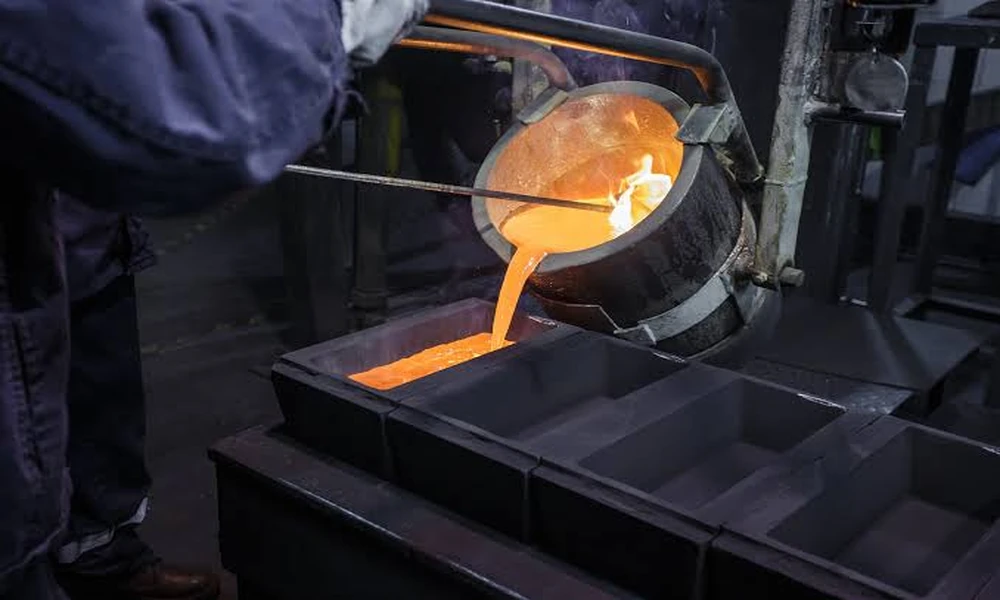
Different alloys behave differently during melting, pouring, solidification, and cooling. Their characteristics influence how effectively molten metal fills the ceramic mould and how the casting responds to thermal changes.
Some alloys may pose greater challenges related to shrinkage, fluidity, or susceptibility to certain casting defects. These factors can influence gating design, pouring conditions, component geometry, and production controls. Selecting a material therefore requires considering both its final engineering properties and its behaviour during manufacturing.
The Role of Heat Treatment in Material Performance
Heat treatment can modify the properties of certain cast alloys through controlled heating and cooling. Depending on the material, it may influence strength, hardness, ductility, toughness, or microstructure.
Select the appropriate treatment based on the alloy specification and required performance characteristics. Incorrect heat treatment can lead to unsuitable properties or dimensional changes. For this reason, clearly define heat treatment requirements and verify them through appropriate quality procedures.
Balancing Material Performance and Manufacturing Cost
Higher-cost alloys are not always the best choice for every component. Material selection should balance required performance with manufacturing feasibility, availability, and overall production economics.
An alloy with excellent corrosion resistance may be unnecessary in a relatively mild environment, while selecting a lower-cost material without adequate performance could create reliability problems. Engineers should evaluate expected service life, operating conditions, inspection requirements, and any protective treatments before deciding.
Material Traceability and Quality Assurance
Material traceability matters when components must meet defined engineering specifications or industry requirements. Appropriate documentation helps establish the alloy’s identity and provides evidence that relevant material requirements have been met.
Depending on the application, quality verification may include chemical composition analysis, mechanical testing, hardness checks, and review of material certificates. Agree on the required level of traceability before production, especially for components intended for regulated or demanding applications.
Working With Casting Specialists During Material Selection
Material selection benefits from collaboration between design engineers, purchasing teams, and casting specialists. A material may appear suitable based on its published properties but present manufacturing challenges when used in a particular geometry.
Early technical discussions can help identify suitable alloy options, required tolerances, heat-treatment needs, and inspection procedures. This collaborative approach reduces the risk of selecting a material that meets one requirement while creating difficulties elsewhere in the manufacturing process.
Frequently Asked Questions (FAQs) About Material Selection in Investment Casting
What materials are commonly used in investment casting?
Investment casting can use various engineering alloys, including stainless steels, carbon steels, and selected speciality alloys. Availability depends on the manufacturer’s capabilities and the component requirements.
Why is alloy selection important for cast components?
Alloy selection determines important properties such as strength, corrosion resistance, wear behaviour, and temperature performance. It also influences casting feasibility, heat treatment, and manufacturing requirements.
Is stainless steel suitable for precision investment casting?
Yes. Various stainless steel grades can be used in investment casting. The appropriate grade depends on the operating environment, mechanical requirements, corrosion exposure, and manufacturing considerations.
Can heat treatment improve investment casting performance?
Heat treatment can modify the mechanical properties of certain alloys when applied appropriately. The benefits depend on the material, the treatment process, and the finished component’s required properties.
How should manufacturers choose an investment casting material?
Manufacturers should evaluate operating loads, environmental exposure, temperature requirements, relevant standards, production feasibility, and cost. Consulting casting specialists early can help identify suitable options.