


Arranging a respectful farewell for a beloved relative involves navigating deep emotional grief while making dozens of time-sensitive arrangements. Buddhist funeral services in Singapore provide a highly structured, comforting framework of sacred prayers, merit-making, and symbolic rites designed specifically to support the deceased in their transition to the next life. Because surviving family members must carefully balance these sacred customs with municipal guidelines and practical event planning, understanding how to approach the process systematically ensures a dignified, smooth tribute that honors both the family’s faith and their everyday practical needs.
Distinguishing Religious Customs from Event Logistics
Planning a comprehensive Buddhist memorial requires managing two distinct operational tracks simultaneously to ensure nothing is overlooked.
- Religious Obligations: Selecting the appropriate monastic tradition, coordinating chanting schedules, arranging vegetarian altar offerings, and preparing traditional ceremonial items for prayers.
- Event & Site Logistics: Securing necessary town council or parlour permits, arranging tentage or hall rentals, coordinating guest catering, and managing hearse transportation.
Spiritual and Religious Considerations
The spiritual foundation of a traditional Buddhist service centers on generating positive karma and transferring merit to the deceased through solemn prayers, scripture recitations, and wholesome, compassionate deeds.
1. Denominational Rites and Monastic Coordination
Buddhist traditions across Singapore reflect diverse cultural heritage lines, primarily including Mahayana, Theravada, and Vajrayana lineages. Each stream follows specific scripture recitations, ceremonial vestments, and chanting structures. Families should confirm the exact tradition their loved one practiced so that officiating monks or nuns can conduct the appropriate rites during the initial encoffining, the main wake evening, and the final departure day.
2. Ceremonial Altar Setup and Food Offerings
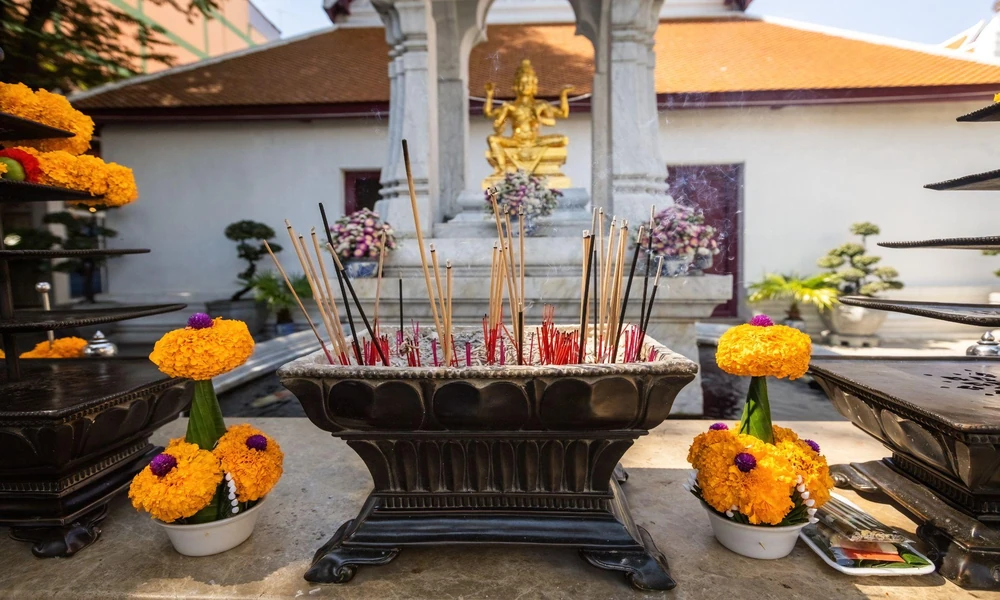
The Buddhist funeral altar serves as the primary spiritual focus throughout the entire wake period. It typically features a framed portrait of the deceased, an auspicious statue of a Buddha or Bodhisattva, lotus-shaped candles, incense burners, and elegant fresh floral arrangements. Out of compassion for all sentient beings, strictly vegetarian meals, fresh fruit, and warm tea are offered at the altar before each scheduled chanting session to dedicate merit directly to the departed soul.
Logistical and Event Arrangements
Alongside fundamental spiritual requirements, families must manage the physical framework that allows relatives, colleagues, and visitors to gather safely and comfortably.
1. Venue Selection and Operational Permits
Families must select a location that comfortably fits their expected guest volume, physical accessibility needs, and overall budget. Common choices include neighborhood HDB void decks, private commercial funeral parlours, or landed property grounds. Void deck setups require securing official permits from the local town council and installing temporary enclosures, lighting, and high-power fans, whereas commercial parlours offer air-conditioned suites with private family rest quarters.
2. Managing the Wake Schedule and Visitor Logistics
Determining whether the wake spans three, five, or seven days directly impacts total venue rental costs, equipment hire, and catering requirements. Scheduling evening prayer sessions at consistent times allows extended family, work colleagues, and neighbors to attend predictably. Providing comfortable seating arrangements, light refreshments, and clean sanitary facilities ensures visitors can pay their respects in a peaceful, welcoming, and orderly environment.
3. Committal Planning and Post-Funeral Memorials
The final phase of a Buddhist funeral involves organised transport to the crematorium or burial ground, accompanied by final departure prayers led by the officiating monks. Because cremation is the predominant choice in Singapore due to land regulations, families must arrange columbarium niches, inland ash scattering, or sea burial services well in advance. Furthermore, planning post-funeral memorial prayers on key milestone dates-such as the 49th and 100th days following the passing-allows the family to continue their meaningful dedication of merit in accordance with traditional Buddhist customs.
Creating a Balanced and Respectful Farewell
Organising a Buddhist funeral does not have to feel overwhelming or chaotic. By clearly separating sacred religious obligations from complex site logistics, families can address every requirement methodically, ensuring that spiritual traditions are observed faithfully while visiting guests are received with warmth, dignity, and sincere respect.
Contact Casket Fairprice to discuss your requirements and discover how our experienced directors can assist your family with complete Buddhist funeral services.