

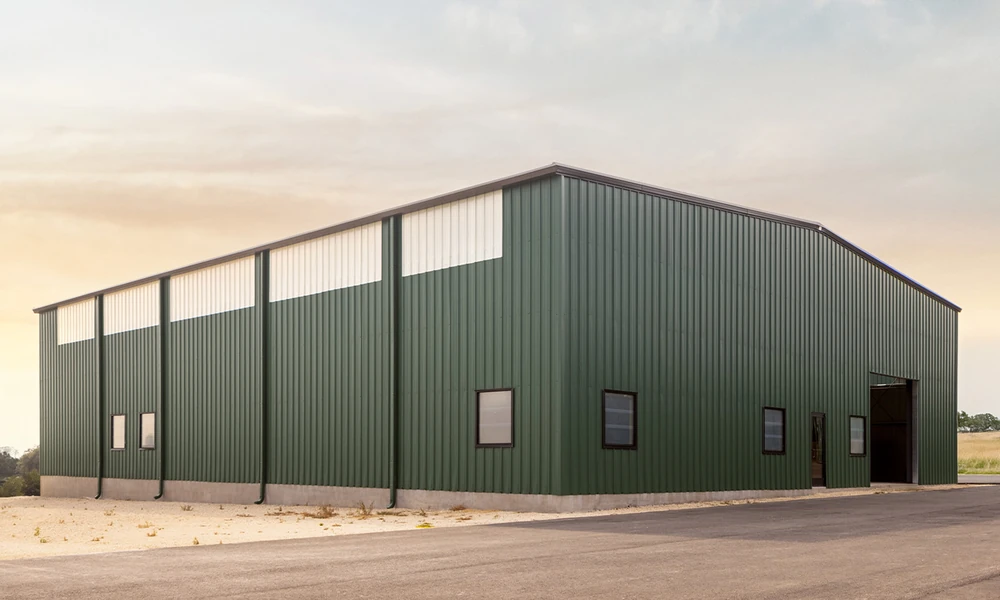
Selecting a company to erect a pre-engineered metal building requires careful evaluation of technical experience, construction capabilities, safety practices, and project coordination. General contractors, developers, and property owners need an erection team that understands the structural requirements of the building and can work effectively within the construction schedule. The right choice can help keep installation organized while maintaining the required quality of workmanship.
Experience With Pre-Engineered Building Systems
When evaluating a pre-engineered metal building erector in Southwestern Ontario, experience with different pre-engineered building systems is an important consideration. These structures involve specific components, connection methods, and installation procedures that must follow engineered plans and manufacturer requirements. An experienced erection team can recognize the sequence of work required and coordinate the installation of structural components accurately.
Commercial and Industrial Project Experience
Commercial and industrial projects often involve different building sizes, operational requirements, and site conditions. Warehouses, manufacturing facilities, workshops, and distribution centres may require specialized installation planning. Reviewing a company’s previous project experience can help contractors and property owners determine whether its capabilities align with the scale and complexity of the proposed building.
Understanding Engineered Drawings
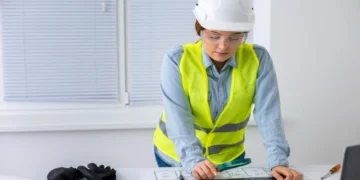
Engineered drawings provide essential information about building dimensions, structural framing, connections, and component placement. An erection company should be familiar with interpreting these drawings and following the specified installation requirements. This understanding helps crews identify how columns, beams, roof framing, and wall components fit together throughout construction.
Familiarity With Metal Building Manufacturers
Different metal building manufacturers may use distinct component designs, connection details, and installation instructions. Familiarity with different metal building manufacturers can help an erection team adapt to the requirements of a particular system. Contractors should establish whether the company has relevant experience with the manufacturer selected for their project.
Construction Safety and Site Management
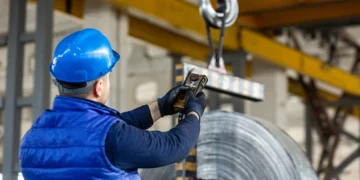
Construction safety should remain a priority throughout the erection process. Structural installation can involve lifting equipment, elevated work areas, heavy materials, and multiple crews working simultaneously. A suitable company should follow applicable safety requirements, maintain clear site procedures, and coordinate activities to reduce avoidable risks.
Project coordination is equally important. Erection work must align with foundation readiness, material deliveries, equipment availability, and the schedules of other contractors. Effective coordination helps minimize interruptions and keeps construction activities organized.
Communication With General Contractors
Clear communication allows general contractors and erection teams to address questions, identify potential delays, and respond to changing site conditions. Before work begins, responsibilities, scheduling expectations, access arrangements, and reporting procedures should be discussed. Regular updates can help everyone involved understand the project’s progress and outstanding requirements.
Managing Building Size and Complexity
Building size and structural complexity can influence the equipment, workforce, and time required for erection. Large industrial buildings may require detailed lifting plans and carefully coordinated assembly sequences. Experience with clear-span structures is particularly relevant when projects involve wide interior spaces with limited internal columns.
Understanding Roof and Wall Systems
Roof and wall systems require appropriate installation techniques to achieve the intended fit and finish. An erection company should understand the manufacturer’s specifications and the relationship between structural framing, roof panels, wall panels, and associated components. Careful installation supports the building envelope and helps prevent avoidable construction issues.
Construction Scheduling and Workmanship
Construction scheduling should account for material availability, site preparation, assembly sequences, and coordination with other trades. Reviewing a company’s approach to scheduling can reveal how it plans to manage project deadlines. Quality of workmanship should also be assessed through relevant experience, completed projects, attention to installation details, and adherence to engineered requirements.
Considering these factors together helps general contractors, developers, and property owners select an erection company suited to their building requirements and construction objectives.