

Key Highlights
- High-flex cables are designed to withstand millions of bending cycles in dynamic environments.
- Proper cabling prevents mechanical fatigue and signal interference in automated systems.
- Enameled wires are critical components for maintaining high efficiency in motor-driven machinery.
- Investing in quality cabling reduces downtime and extends the operational life of industrial assets.
Introduction
In the contemporary landscape of industrial manufacturing, the precision and reliability of automated systems are paramount. From automotive assembly lines to intricate electronics production, machinery operates under relentless pressure to perform with consistent accuracy. A frequently overlooked component in this complex ecosystem is the cabling infrastructure. While often viewed as a peripheral element, the type of cabling employed determines the operational resilience of the entire system. Understanding how high-flex robot cables and high-quality enameled wires contribute to system longevity allows manufacturers to optimise performance and reduce maintenance overheads significantly.
The Vital Role of Dynamic Cabling
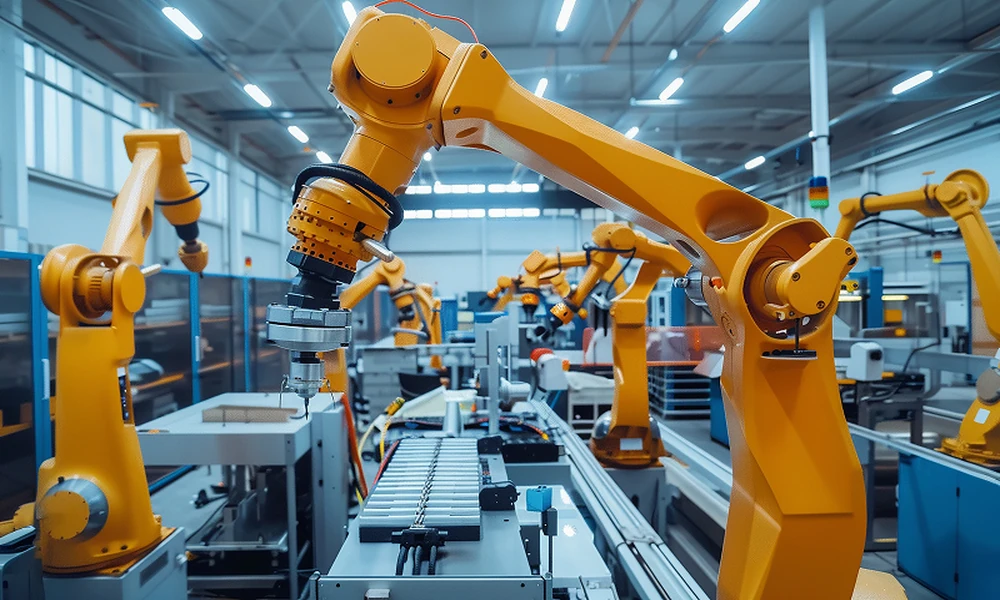
Automated machinery is defined by motion. Whether it is a multi-axis robotic arm executing precise welds or a pick-and-place machine operating at high speeds, these systems depend on cables that can endure constant physical stress. Standard electrical cables are typically designed for static applications where they remain fixed in place. Conversely, a robot cable is engineered specifically to survive millions of cycles of bending, twisting, and torsion. When a cable fails, the entire production line grinds to a halt, leading to costly delays and expensive repairs. By integrating cables designed for continuous motion, engineers ensure that the electrical signals and power remain uninterrupted, thereby protecting the mechanical integrity of the machinery.
Engineering Resilience into Motion
The longevity of automated systems is directly linked to the mechanical properties of their components. A high-flex cable is not merely a bundle of wires; it is a complex engineering solution. Manufacturers utilise advanced materials that provide exceptional flexibility without compromising internal conductivity. These cables are designed with optimised conductor stranding and insulation materials that reduce friction between internal layers. This approach prevents the “corkscrew effect” or internal wire breakage that often plagues inferior cabling solutions. When the cabling is robust, the robot can operate at its peak design speed without the constant fear of component failure, which effectively extends the functional life of the machinery.
Enhancing Motor Performance with Enameled Wires
Beyond the external cabling, the internal motor components are equally vital. High-efficiency motors depend heavily on the quality of enameled wires used within their windings. These wires must withstand high thermal loads and magnetic stress while maintaining perfect insulation integrity. When enameled wires are manufactured to stringent standards, they ensure that the motor operates at peak efficiency with minimal energy loss. This stability prevents overheating, which is a primary cause of motor burnout. By utilising high-grade enameled wires, facilities can avoid premature equipment replacement and maintain the smooth, consistent operation that modern production schedules demand.
Maximising Operational Lifespan
The cumulative impact of high-quality components creates a compounding effect on machinery lifespan. When a facility commits to replacing standard components with professional-grade solutions, the mean time between failures increases dramatically. This shift in maintenance strategy moves from a reactive model, where repairs occur after a breakdown, to a proactive one. By utilising superior robot cables and reliable motor components, companies minimise the vibrations and signal inconsistencies that lead to wear and tear. Consequently, the automated assets remain productive for longer, providing a better return on investment and more predictable production throughput.
Strategic Component Integration for Future-Proofing
Beyond the immediate benefits of reduced downtime, the strategic selection of high-quality internal components serves as a form of future-proofing for industrial facilities. As production demands evolve, the ability of automated systems to adapt without requiring complete overhauls is a significant competitive advantage. Integrating a high-flex robot cable that meets current and future speed requirements allows for seamless upgrades in operational capacity. Similarly, relying on enameled wire that exceeds thermal and electrical safety standards ensures that motors can handle increased throughput or more intense operational cycles without degradation. This forward-looking approach to component selection safeguards capital investments, ensuring that machinery remains relevant and resilient long after installation.
Conclusion
The pursuit of operational excellence in manufacturing requires attention to every detail, including the cabling that powers and controls your equipment. High-flex robot cables and high-performance enameled wires are essential investments for any organisation seeking to maximise the reliability and lifespan of their automated machinery. By addressing these foundational elements, manufacturers can ensure their systems remain robust, efficient, and ready to meet the challenges of modern production.
Are you ready to enhance the durability and performance of your industrial automation systems? Connect with Proterial Asia Pacific today to discuss how our specialised solutions can support your machinery requirements.